
Fuel
Refined fuels used across road transport, aviation, shipping, industry and power generation.
Enquiries commonly concern
- Diesel and gasoil, for example to EN 590 specification
- Aviation fuel, such as Jet A-1
- Fuel oil and marine fuels
- Gasoline
Energy
Broking for refined fuels, crude oil and petroleum products, handled with clear communication and careful attention to specification, volume and delivery terms.
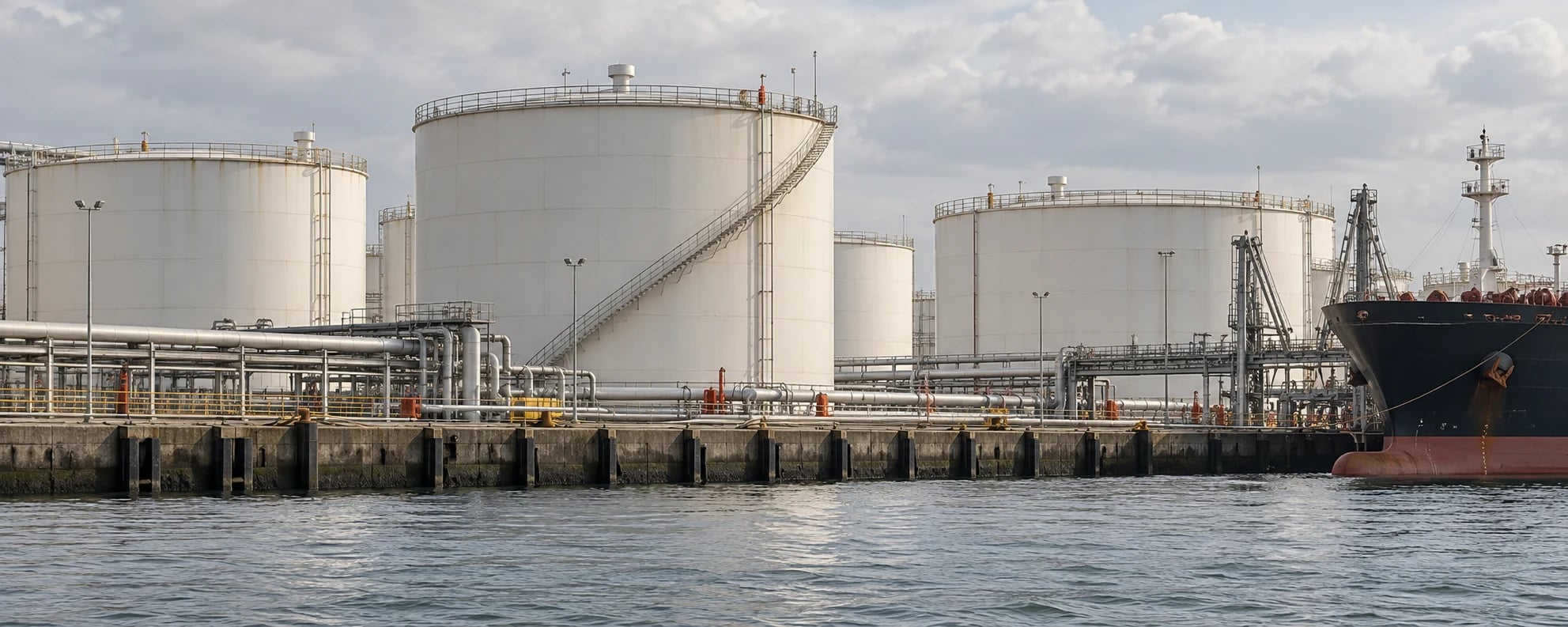
Fuel and petroleum products pass through a long chain of producers, refiners, traders, distributors and end users, and the specifications that matter differ from one market to the next. A requirement that is not clearly defined at the start is difficult to progress.
ESN London Ltd begins every energy enquiry by establishing exactly what is needed: the product and its specification, the volume, the delivery basis and the timing. With that understood, the appropriate next steps can be discussed openly with the parties involved.
Refined fuels used across road transport, aviation, shipping, industry and power generation.
Enquiries commonly concern
Crude oil and petroleum products traded internationally for refining, blending and onward supply.
Enquiries commonly concern
Benefits
Fuel standards vary by market and application. Pinning down the exact specification early avoids misunderstandings later in a discussion.
Delivery windows, loading slots and lead times are raised at the outset, so timing expectations are understood from the start.
Clarity on the delivery basis and the point of transfer means each party understands where cost and responsibility sit.
One London-based contact keeps the conversation organised, from the first call to the agreed next steps.
How it works
Every enquiry is different, but most follow a similar path from first call to agreed next steps.
We discuss the product, specification, quantity and delivery terms, and confirm our understanding with you.
Basic company information is exchanged so that each side knows who it is dealing with before any introduction is made.
Where a suitable counterparty can be identified, price, payment and delivery terms are discussed, with ESN London Ltd as the point of contact.
Contracts are agreed between buyer and seller. We confirm the agreed next steps so that expectations are clear on both sides.

Good to know
Cargoes of fuel and petroleum products are commonly supported by independent inspection of quantity and quality at the loading point, together with the shipping and commercial documents set out in the contract.
Raising inspection and documentation requirements early in the conversation helps both parties assess an opportunity properly and avoids surprises at a later stage.
FAQs
More general questions are answered on our FAQs page.
Enquiries commonly concern diesel and gasoil, aviation fuel, fuel oil and marine fuels, gasoline, crude oil and other refined products. Please call to discuss your specific product and specification.
Yes. Please tell us whether your requirement is a single shipment or a recurring volume, as this shapes the discussion that follows.
They are Incoterms: internationally recognised rules that define where cost and risk pass from seller to buyer. Under FOB (free on board), the buyer arranges the vessel and takes on the risk once the goods are loaded. Under CIF (cost, insurance and freight), the seller pays for carriage and insurance to the destination port.
Quality and quantity are usually verified by an independent inspection company at loading, against the specification agreed in the contract. Inspection requirements should be confirmed when you enquire.
Contact
Have a question or a requirement to discuss? Contact ESN London Ltd directly.