ESN London Ltd, home page

Base metals

Copper broking

Broking for copper concentrate and refined copper cathodes, from the mine product sold to smelters to the high-purity metal used in wire, cable and manufacturing.

Call to discuss
Base metals

Request Quote: Copper

What to include in an enquiry
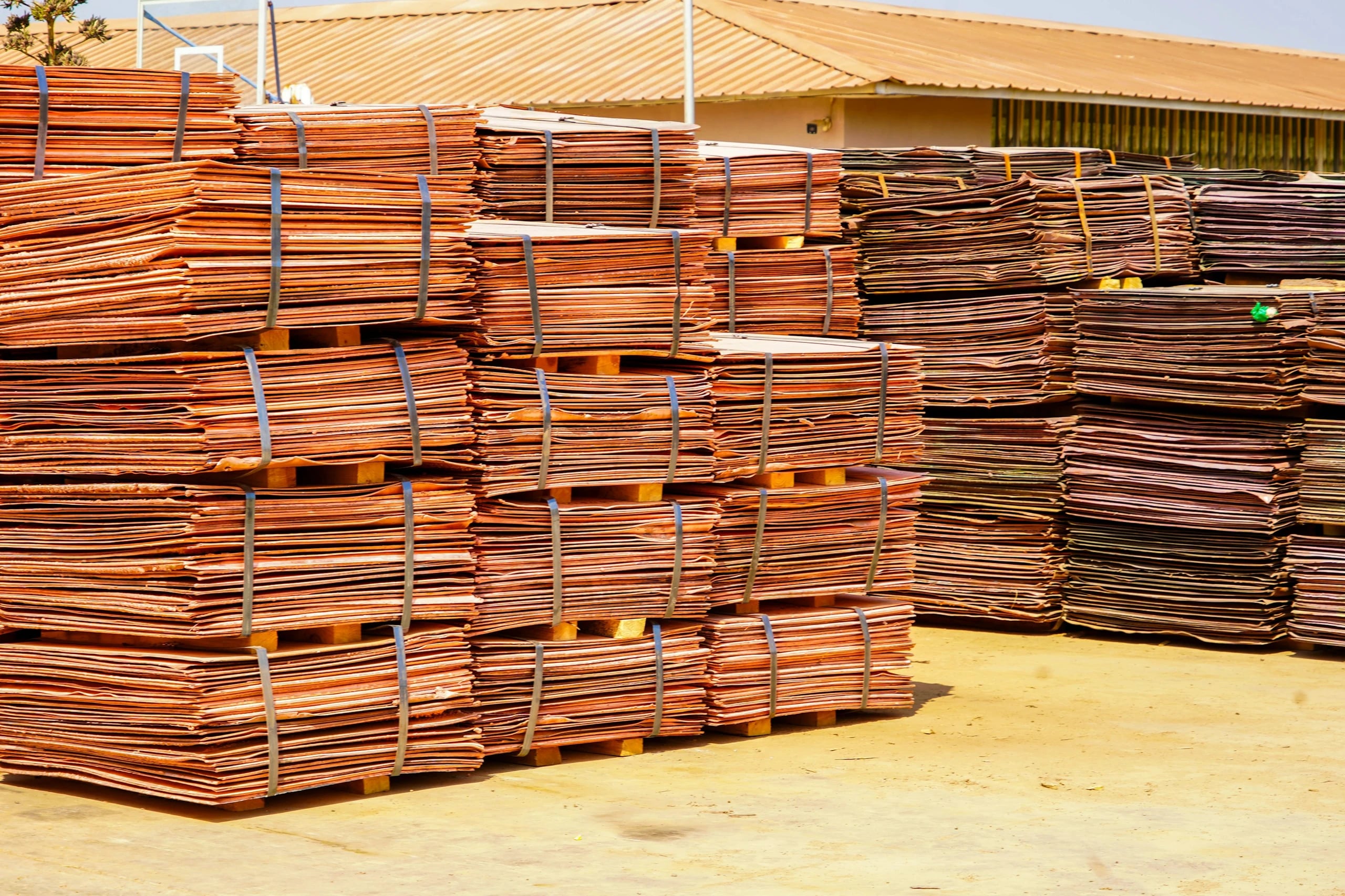
Strapped bundles of copper cathode plates stacked on pallets

From concentrate to cathode

Copper is traded at two very different stages. Concentrate is a mine product, sold to smelters and valued on its copper content and impurities. Cathode is refined metal of very high purity, traded against recognised grades and producer brands.

Each stage raises its own questions, so ESN London Ltd begins every copper enquiry by establishing which product is involved, its assay or grade, the quantity, the origin and the delivery terms before discussing any next steps.

Commodities covered

Copper concentrate

Copper ore upgraded at or near the mine, usually by flotation, and sold to smelters for processing into refined copper.

Enquiries commonly concern

  • Copper sulphide concentrate
  • Concentrate with gold or silver content
  • Clean and complex concentrates

Copper cathodes

Refined copper plates of very high purity, used to make rod, wire, cable and other copper products.

Enquiries commonly concern

  • Grade A copper cathodes, for example to BS EN 1978 (Cu-CATH-1)
  • Cathodes from LME-registered brands
  • Electrowon (SX-EW) cathodes

Benefits

What our copper broking provides

  • Concentrate or cathode, understood

    The two products are traded on very different terms. Each conversation is framed around the one you are dealing with.

  • Assay-led discussions

    Copper content, impurities and purity are established at the start, because they determine how the material is valued.

  • Origin and documentation

    Producer, origin and supporting documents are treated as essential from the first call.

  • A single point of contact

    One London-based contact keeps the discussion organised, from the first call to the agreed next steps.

How it works

How a copper enquiry progresses

Assay and documentation are central to every copper discussion.

  1. Define product and grade

    We confirm whether the enquiry concerns concentrate or cathodes, along with the assay or grade, quantity and timing.

  2. Review origin and documents

    Origin, producer and the supporting documentation are discussed at the outset.

  3. Confirm the parties

    Company information is exchanged and checked before any introduction is made.

  4. Discuss and agree next steps

    Terms, sampling and inspection arrangements are discussed between the parties, and the next steps are confirmed clearly.

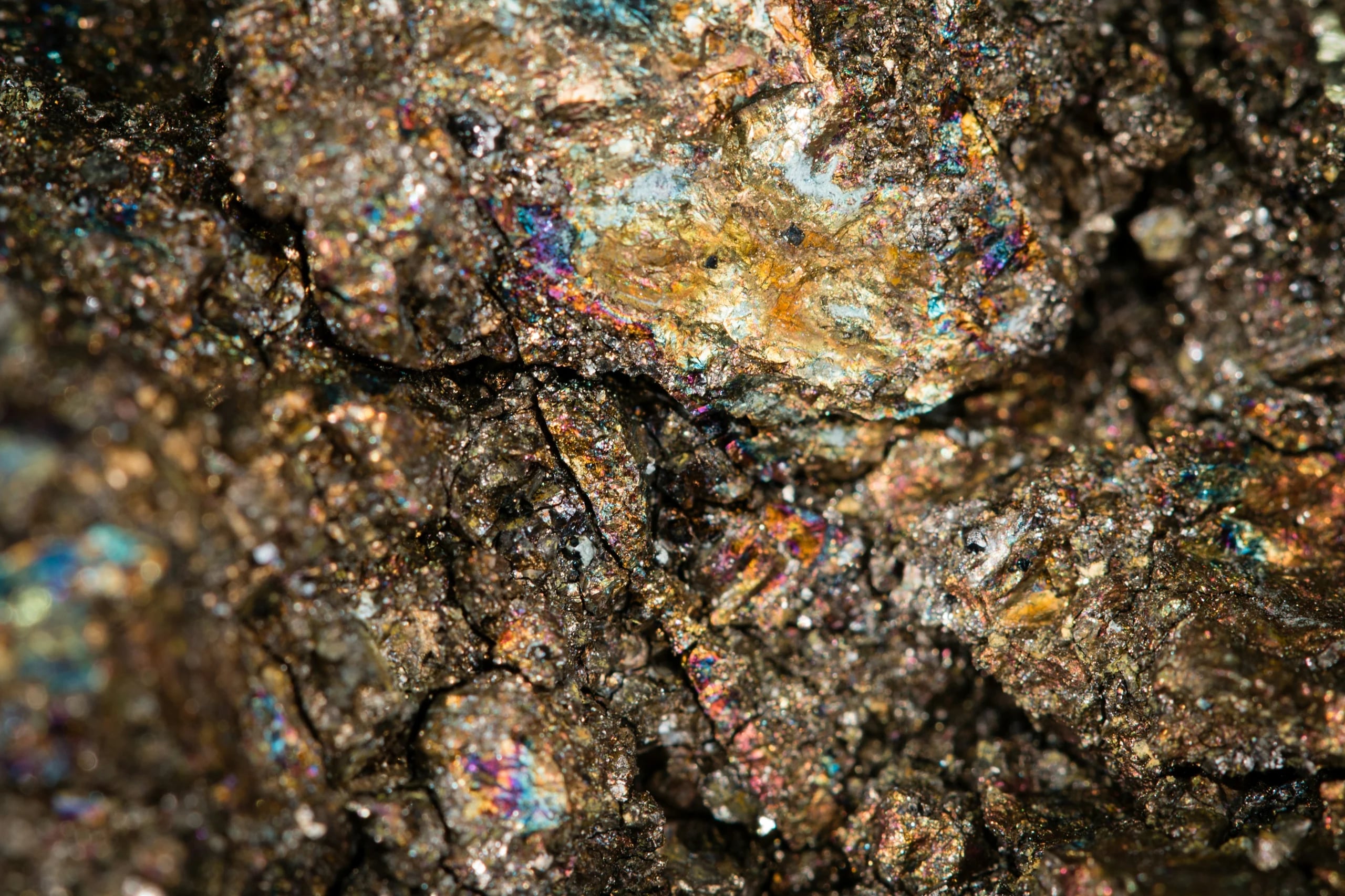
Close-up of sulphide ore containing chalcopyrite, a copper mineral

Good to know

How copper is valued

Copper concentrate is usually priced on its payable copper content, with treatment and refining charges deducted and penalties applied for impurities such as arsenic. Gold and silver content may be paid for separately. Final settlement normally depends on independent sampling and assay.

Copper cathodes are generally priced by reference to an exchange price, such as that of the London Metal Exchange, plus or minus a premium. Grade A cathodes meet a recognised purity standard, and the producer’s brand and its exchange registration can affect how the metal is valued.

FAQs

Copper: common questions

More general questions are answered on our FAQs page.

Which copper products can I enquire about?

Enquiries commonly concern copper concentrate and refined copper cathodes, including Grade A cathodes. Please call to discuss your specific product and specification.

What is the difference between copper concentrate and copper cathodes?

Concentrate is an intermediate mine product, usually containing around 20% to 40% copper, which is sold to smelters for processing. Cathodes are the refined product, at least 99.99% copper for Grade A material, and are used to make rod, wire and other copper products.

What are treatment and refining charges?

Treatment and refining charges, often called TC/RCs, are deducted from the value of a concentrate to cover the cost of smelting and refining it into copper metal. They are a central part of how concentrate is priced and are set out in the contract.

What is Grade A copper cathode?

Grade A is the highest standard of copper cathode traded internationally, with a copper content of at least 99.99%. It is commonly specified by reference to BS EN 1978 (Cu-CATH-1), the standard used for London Metal Exchange Grade A copper.

Contact

Let’s start with a conversation.

Have a question or a requirement to discuss? Contact ESN London Ltd directly.